Let me help you discover your full potential





Choosing the Outfit

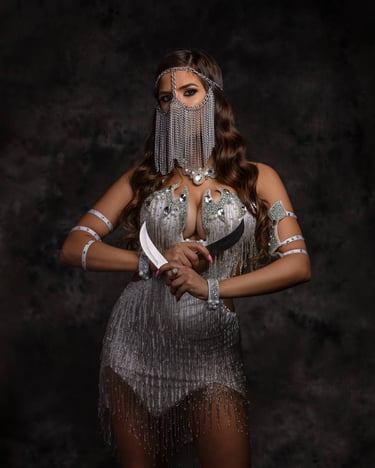
Well, habibis, as for outfits. In Argentina, you usually choose your outfit based on what you're going to dance, because performances are few and far between. So you think, 'I'm going to dance this style, this song, so the right outfit would be this or that.'
But here [in Dubai] it's different. First, because we dance every day. It's much more routine, more like a day job. And also, the shows are usually long and we dance several styles in the same show.
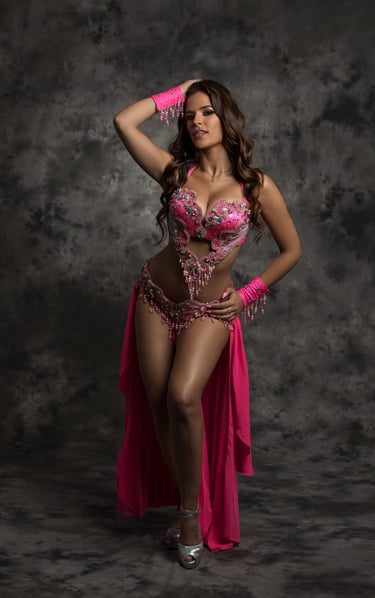
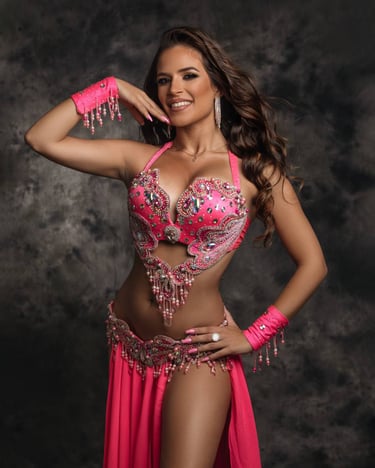
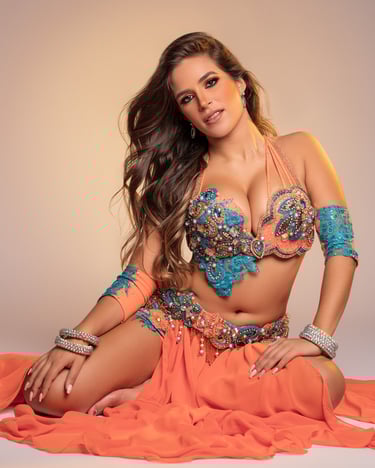
That's why we mostly wear generic, comfortable, traditional costumes... That classic open bell skirt, double layer, which gives you total freedom of movement. It's much more practical than a closed skirt, because it allows you to dance everything: something softer on the floor, jumps, turns, going to the floor... Everything flows without anything limiting you.
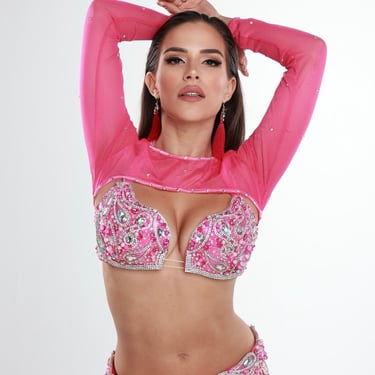
However, your wardrobe is very personal. It has to highlight your figure and make you feel comfortable and confident. The final design depends a lot on that, not just on the type of show. But it is important that it represents who you are as a dancer.
Although, look, if the dancer has a clear idea of what she wants to convey with her image... great. But if not, if you just want it to be comfortable and functional... that's perfect too! Because from my own experience, many times you choose something that is beautiful, precious, but uncomfortable. And that affects you a lot: it distracts you, it bothers you, and in the end you don't enjoy dancing.
So the key is: comfort first, beauty second. And it should make you feel powerful when you wear it.

Circular fashion: The outfits
Throughout my career, I have learned that the quality/availability/price ratio is key. In some places, you can find seemingly inexpensive costumes that fall apart the first time you wear them. A mistake we have all made at some point!
That's why I want to share a secret that has saved me more than once: the circular fashion market for professional dancers.
In Arab countries, where belly dancing is a deeply rooted attraction and tradition, there are places where you can find high-quality used costumes in excellent condition at incredible prices. It's like a hidden treasure! Many professional dancers renew their wardrobes and sell their old costumes, which are in perfect condition.
This is a very popular way for dancers to get exclusive pieces at much more affordable prices. So go ahead and explore the second-hand market, you're very likely to find that garment that makes you feel like a star.

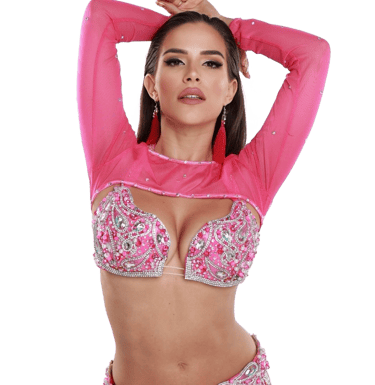
My dear Habibis, taking care of costumes is one of the things that matters most to me, because they are part of the magic of the show. So here are my real tips, the ones that work for me to make them last and stay impeccable for a long time:
Always hand wash, okay? Cold water, mild soap (no bleach or putting them in the washing machine, please).
Air dry them, but in a cool, shady place. No direct sunlight, which will discolor and ruin them in two seconds.
When they're dry, store them in cloth bags or a nice box, away from dust and moisture. And please, don't hang them on regular hangers, which stretch and deform them.
The rhinestones... oh, my dears, they must be treated with care. Don't pull on the stones or brush them hard. Just use a soft brush to remove the dust and that's it.
And if one comes loose (it happens, it's not the end of the world), keep it if you find it. If you know how to sew, two little stitches and it's back in place. If not, use clear, flexible glue (silicone or universal craft glue are ideal). But be careful: use just a little, don't smear the fabric, and follow the drying time indicated on the package.
With this basic care, your costumes will last for years and will always be ready to make you shine. Because a well-cared-for costume is a costume that makes you feel powerful every time you wear it.
Taking care of outfits
Some of my Favorite Looks
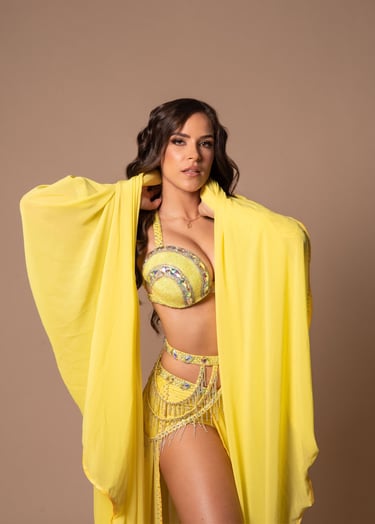
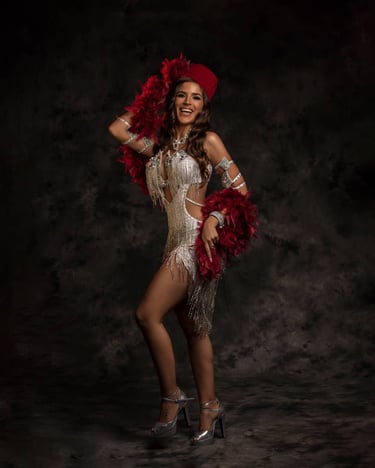
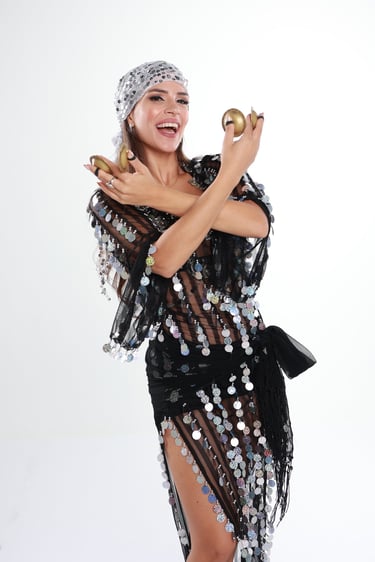
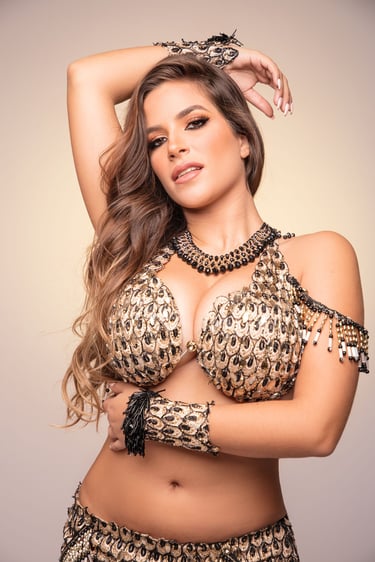
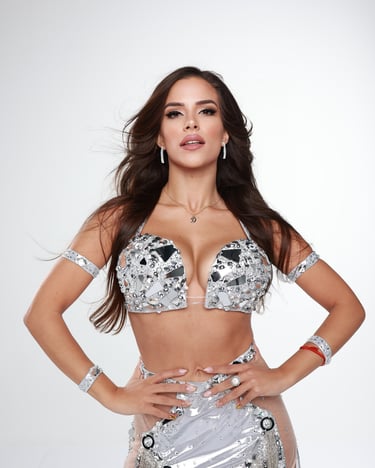
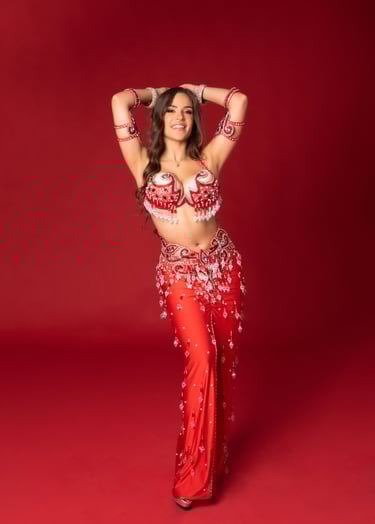
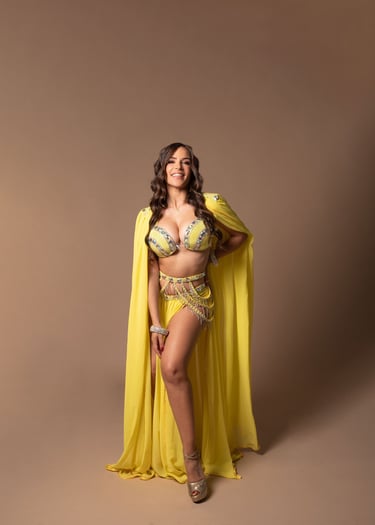
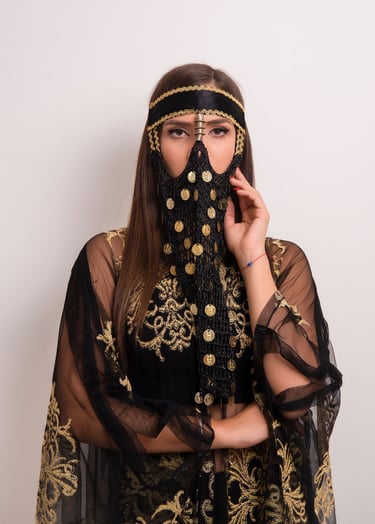
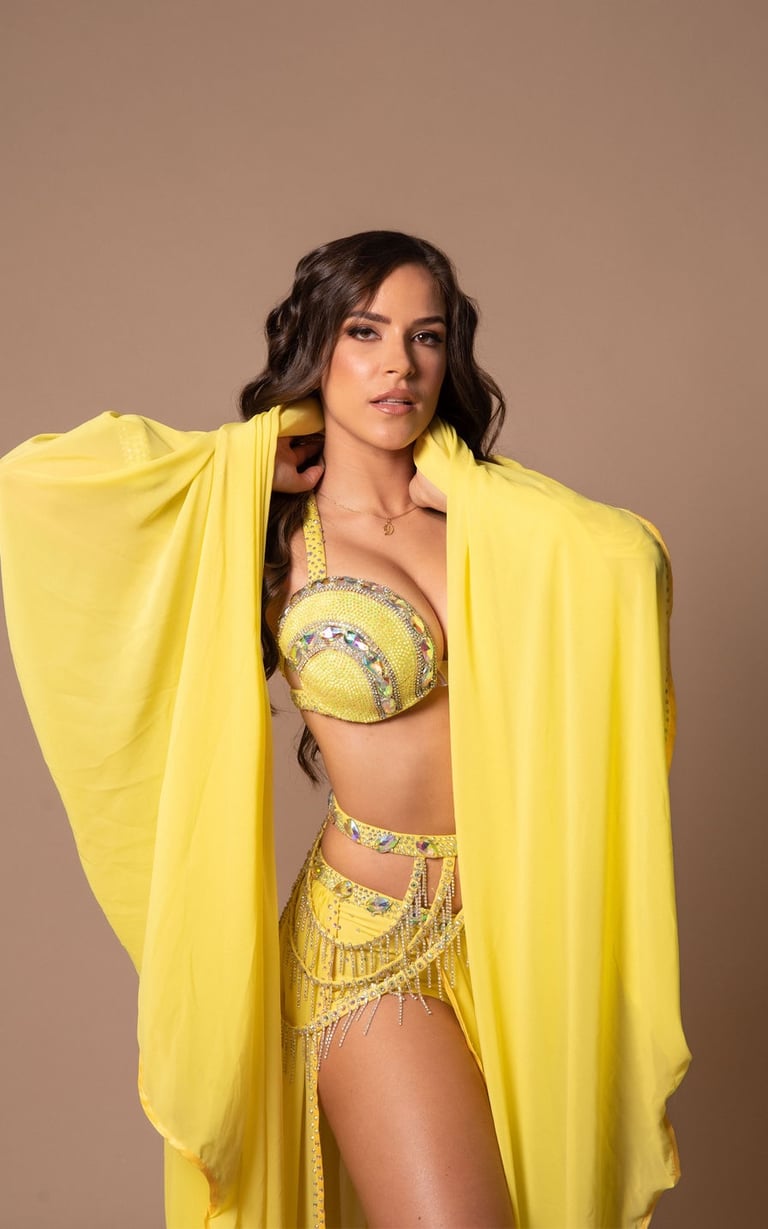
This is a selection of my best looks. Each outfit helps me project my best self at every moment of my career.